About
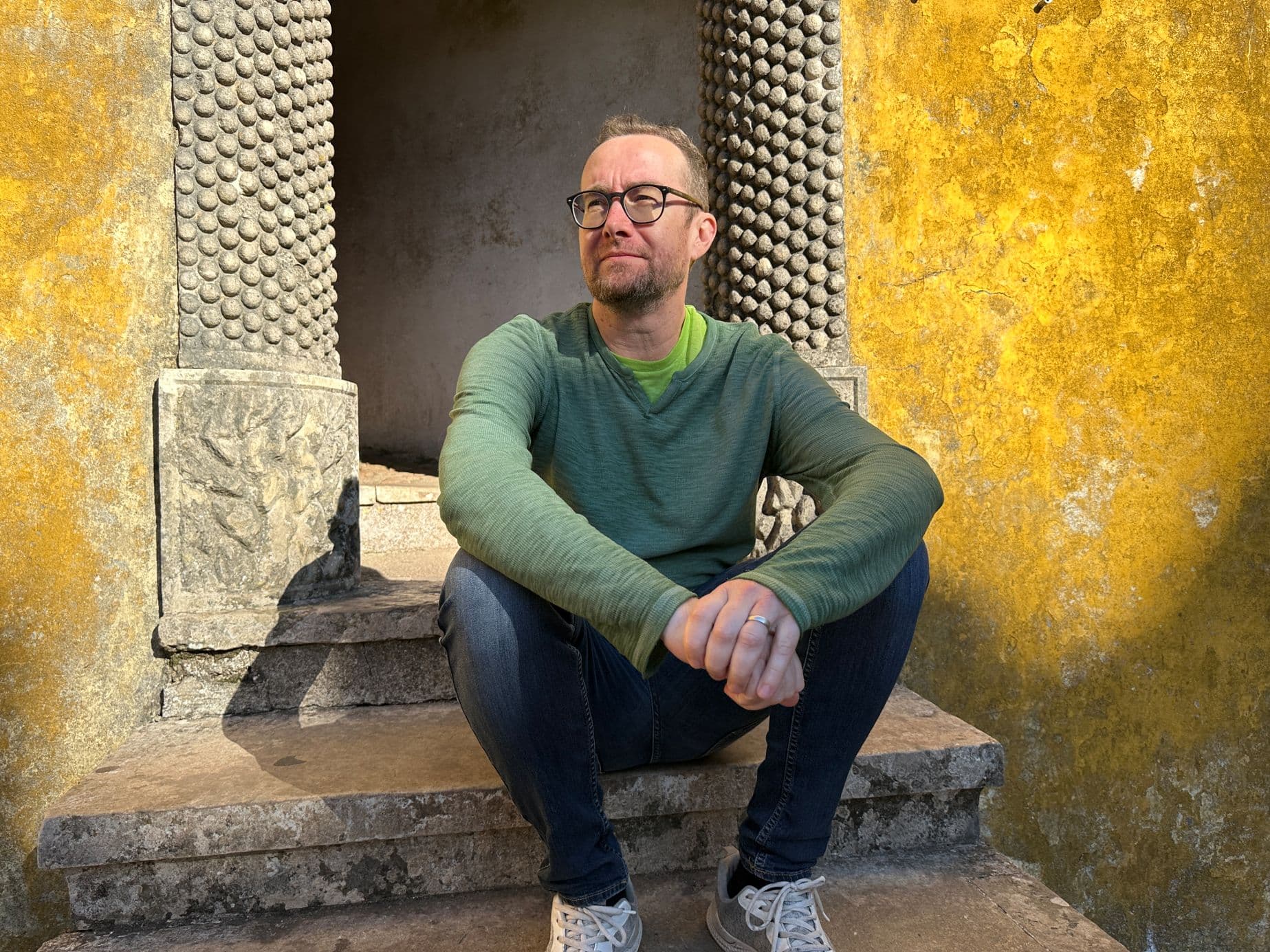
Hola, I’m Andrew.
I’m a Canadian who fell hard for the Iberian Peninsula, specifically the old, quiet, slightly crumbling bits that don’t make the front of the guidebooks. These days I live in Portugal, soaking up centuries of history and culture without the elbow-to-elbow crowds.
Castizo Spain is my attempt to bottle that feeling and hand it to you. It’s a directory of Spain’s officially protected heritage towns, the kind of places where you turn a corner, find a 900-year-old church with nobody else around, and wonder why this isn’t on every itinerary.
What does “castizo” mean?
Good question. Castizo (feminine castiza) is one of those Spanish words that doesn’t translate cleanly. In everyday use it means authentic, genuine, true to its roots: the real deal, unspoiled and unmistakably of its place. A castizo neighbourhood is the one where the traditions never left. A castizo town is the one that still feels like itself.
The word comes from casta, meaning lineage or stock, and the Real Academia Española’s dictionary gives its first sense as “of good origin and stock”. The sense that matters here is the next one: typical, genuine of the country or place in question. Said of language, castizo means pure Spanish, free of foreign words and turns of phrase, which is why a writer with a clean, traditional style gets called castizo too.
In Spain you will hear it most about Madrid. Lo castizo madrileño is old Madrid at its most traditional: the chotis danced at the San Isidro fiestas, the chulapos in their flat caps and the chulapas in their shawls. The word also has a darker history. In colonial Spanish America, castizo was one of the labels of the casta system, used for a person of three-quarters Spanish descent. That is not the sense this site borrows.
It’s pronounced cas·TEE·tho in Spain, with the z like the thin “think”, and cas·TEE·so in most of Latin America. And it’s the whole brief for this site: skip the polished, interchangeable tourist traps and point you toward the places that are still, stubbornly, the genuine article.
What this site is for
One goal: to help you curate an authentic travel experience. Every town here earned its place the honest way, by being officially designated a Conjunto Históricoby the Spanish state, not by paying for a spot on a “top 10 prettiest villages” listicle.
I pull the hard facts from open sources (Wikidata, Wikipedia, Wikimedia Commons), lean on AI to draft the overviews, then add my own notes for the places I’ve actually walked through. To cover costs, the site may show ads and some affiliate links, but nobody pays to be listed and nobody pays for what I write. No sponsors, no tourism-board kickbacks. Just the good stuff.
Tell me I’m wrong (please)
I’d genuinely love your feedback. Found a mistake? Know a town that deserves more love? Been somewhere recently and the details have drifted? Drop me a line at hey@castizospain.com. It makes the whole thing better for the next traveller.